A lot of factors contribute to “comfort” in a space. If you’ve ever wondered what that means, consider the following general contributors to what is referred to as Thermal Comfort. Thermal Comfort is comprised of:
- Insulation level of clothes on a person
- Activity level (metabolic rate) of a person
- Air temperature in a space
- Humidity level in a space
- Air speed, often measured in feet per minute
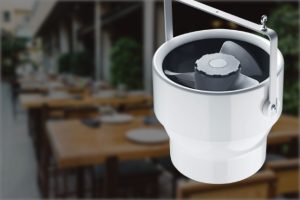
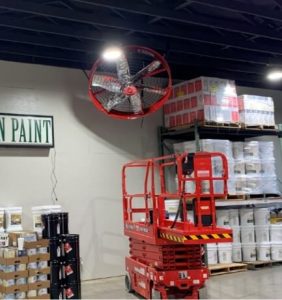
The fan contributes, of course, to the last item: air speed. In most cases, an increase in air speed across bare skin makes a person feel cooler. In summary, delivering air to where the people are is critical to providing the cooling effect.
Why Air Speed Matters So Much
You don’t always need to lower the actual air temperature to make people feel cooler — you need to move air across their skin. Moving air accelerates evaporative cooling and carries heat away from the body, which is why a breeze on a warm day feels so much better than still air at the same temperature. For facilities, that means a well-placed industrial fan can deliver a meaningful “feels-like” temperature drop at a fraction of the cost of air conditioning.
Comfort Drives Productivity and Safety
Thermal comfort isn’t just a nicety. Workers in hot, stagnant environments fatigue faster, lose focus, and face a higher risk of heat-related illness. Keeping air moving helps maintain energy, concentration, and safety through long shifts — and it shows up in productivity and retention.
Delivering Air Where People Are
The goal is simple: put moving air where the people are. Overhead options like our HVLS fans blanket a large floor area with gentle, consistent airflow, while directional fans and portable mobile fan solutions let you aim cooling exactly where it’s needed and reposition as your layout changes.
Build a More Comfortable Facility
Not sure which approach fits your space? Talk to an AMS Fans expert and we’ll help you match the right fans to your layout, ceiling height, and where your people actually work.